iStock
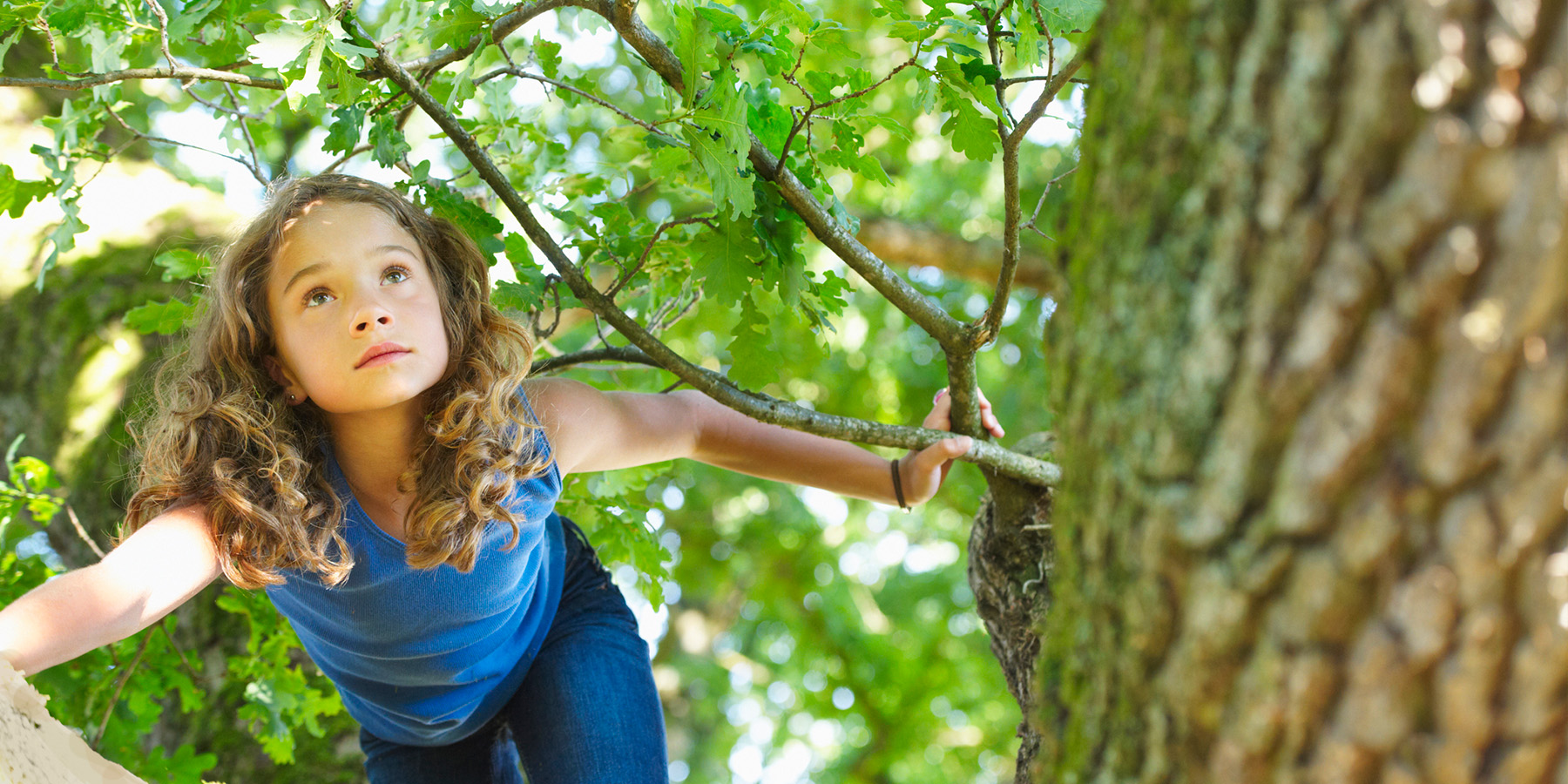
Nature play is any activity that gets children active or thinking actively outdoors, with the end goal of building skills and ability to play without the need for parental or adult control. This can be in any setting, so long as it’s unstructured play outdoors.
Source: Nature Play QLD
Inside all of us is Hope,
Inside all of us is Fear
Inside all of us is Adventure,
Inside all of us is … a Wild Thing (Maurice Sendak)
Nature Play Activities
For some great nature play activities for kids of all ages, go to:
- 35 Fun & Easy Nature Play Ideas to Try at Home (Tribe Early Learning)
- 20 Nature Play Ideas & Activities in your Backyard (Eco Explorers)
- 50 Nature-Based Outdoor Play Activities (Stepping Stone Childcare)
- 29 Fun Nature Activities for Kids (Kids who Play)
- 81 Free Outdoor Activities for Kids (Kids who Play)
- Nature Play Resources (Nature Play Australia)
and for more games to play outdoors, go to Activities for Kids
About Nature Play
Nature play is any activity that gets children active or thinking actively outdoors, with the end goal of building skills and ability to play without the need for parental or adult control. This can be in any setting, so long as it’s outdoors.
Source: Nature Play QLD
Nature play – unstructured play outdoors – is vital to a healthy childhood.
For children, play is learning. There is no better space for kids to learn than the outdoors, and there is no better play resource than nature.
One of the best lessons children can be taught in their early years is to play outdoors. Children innately reap great benefits as they grow connection and appreciation of the natural environment. In the structured, busy and technologically-advanced world we live in, the role of outdoor play that we experienced as children is being forgotten.
Nature play is any activity that gets children active or thinking actively outdoors, with the end goal of building skills and ability to play without the need for parental or adult control. This can be in any setting, so long as it’s outdoors. It supports children being left to their own devices while caregivers supervise from a distance. Adults can also actively participate in nature play, however, through child-led play activities.
Nature play significantly improves all aspects of child development – physical, cognitive, social and emotional.
Playing outdoors grows resilience, self-confidence, initiative, creativity and more. It encourages the joy of movement; it nurtures wild imaginations, experimentation, friendships, social connections and behaviour.
Source: Nature Play QLD
Useful Links & Resources
Stop Telling Kids to “Be Careful” and What To Say Instead
Saying “Be Careful!” to children is probably one of the least helpful things we can say to them. First of all, it’s not specific enough. “Be Careful!” could mean “watch out for the poison ivy!” or “watch out the sky is falling!”. When you tell a child “Be Careful!” it usually doesn’t get the response you’re hoping for, either they’ll give you a look of confusion (“what’s there to be afraid of?”), ignore you (“this isn’t scary!”) or start crying (“something really bad is about to happen!”).
The other problem with saying “Be Careful!” is that it instills fear. It teaches kids that they should avoid taking risks, trying new things and making mistakes because bad things could happen, an yes bad things can happen, but kids need to engage in risky and challenging play for healthy growth and development.
What To Do and Say Instead
Breaking the Habit!
Imagine this scenario: Your child is climbing up a small tree and the slim branches are bowing under her weight. In a flash your brain calculate multiple scenarios, all of them end badly. Even though your child isn’t in immediate danger you want to call out “Be Careful!”, here’s what you can do instead:
STOP: Notice what you are about to say and tell your brain to “STOP!” or “PAUSE”.
BREATHE: Acknowledge how you feel and take a deep controlled breath.
REFLECT: Look at the situation with fresh eyes and ask yourself:
- What is the potential for serious harm?
- Why does this situation make me feel uncomfortable?
- What skills is my child learning right now?
RESPOND: There isn’t one right response for every situation. If your child is in danger by all means do act quickly! However, some situations might require you to do nothing and other situations might require you to help your child foster awareness or problem solve.
DOWNLOAD: What to Say to Kids Instead of “Be Careful!” (PDF)
Source
Backwoods Mama
Do children today live in environments that are too safe? What does having some level of risk mean for the development of the child? Have we become so risk-averse that children are now developing problems because of a risk-free environment? If so, what can we do, and what risks are “good risks”
Griffin Longley at TEDxPerth

Life Lessons for Future Generations
This report explores the skills and attributes children need in order to help them deal with future challenges. It combines Australian and international peer-reviewed academic research with the results of a snapshot survey of 200 teachers. The survey was designed and commissioned by Planet Ark and conducted online by consultants Kimberlin Education in April 2017.
take a risk, go play outside
An online tool to help parents and caregivers gain the confidence to allow their kids to engage in more outdoor play (Canadian)
Nature Play Australia is an alliance of not-for-profit associations established to increase the time Australian children spend in unstructured play outdoors and in nature.
Nature Play Australia is founded on the understanding that unstructured play outdoors (nature play) is fundamental to a full and healthy childhood. Nature play is, of itself, an intrinsic good and from it flows benefits to health, cognitive, social and emotional wellbeing and in the building of resilience and creativity. Experience in nature as a child also leads to environmental stewardship later in life.
But all the magic I have known, I’ve had to make it myself
Shel Silverstein
Discover
Search for kid’s activity providers in Discover
(search on ‘bushwalking’ in Select Activity)
Recommend a Resource
Have an interesting or useful resource or link to share?
Let us know by Recommending a Resource