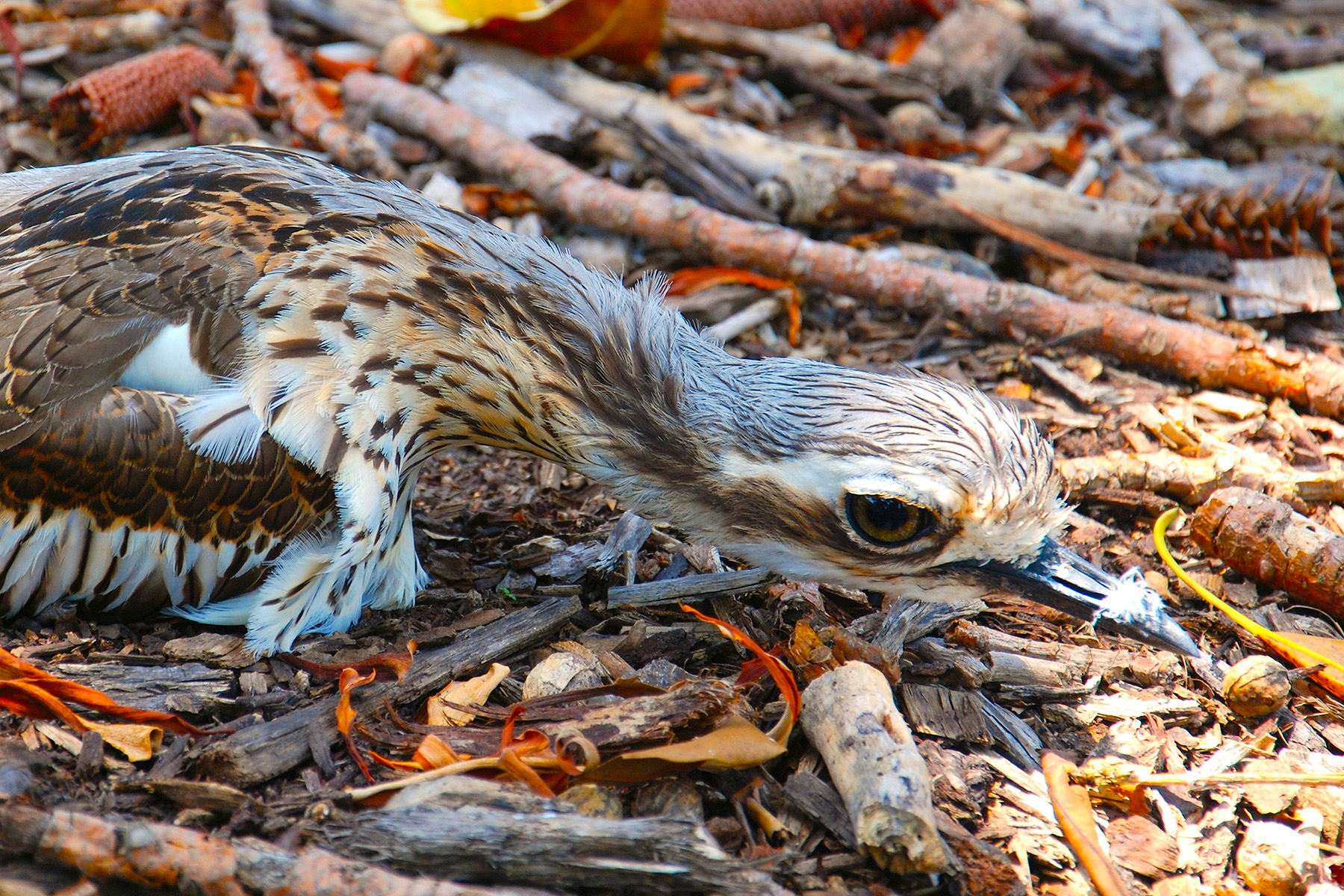
Photo by Kerin Gedge on Unsplash
How you can help!
As H5 avian influenza (bird flu) has been detected in Australia, we must all do what we can to help protect both native and farmed species alike. The outdoor recreation, education and tourism sectors are ideally placed to help as we tend to spend a lot of time in wild places and untamed environments.
The things we can do include:
Keep footwear, equipment and clothing clean
- When visiting national parks, nature reserves or agricultural areas keep equipment, shoes and clothes clean. This reduces the risk of disease spreading between places.
- Use (role model!) the boot cleaning stations at the entrance to trails
- Follow the Leave No Trace principles
Give wildlife space
- Wildlife can be sensitive. Reduce stress and disturbance by keeping your distance when enjoying outdoor activities like bushwalking and canoeing
Avoid, record, report
- Report sick birds and wildlife
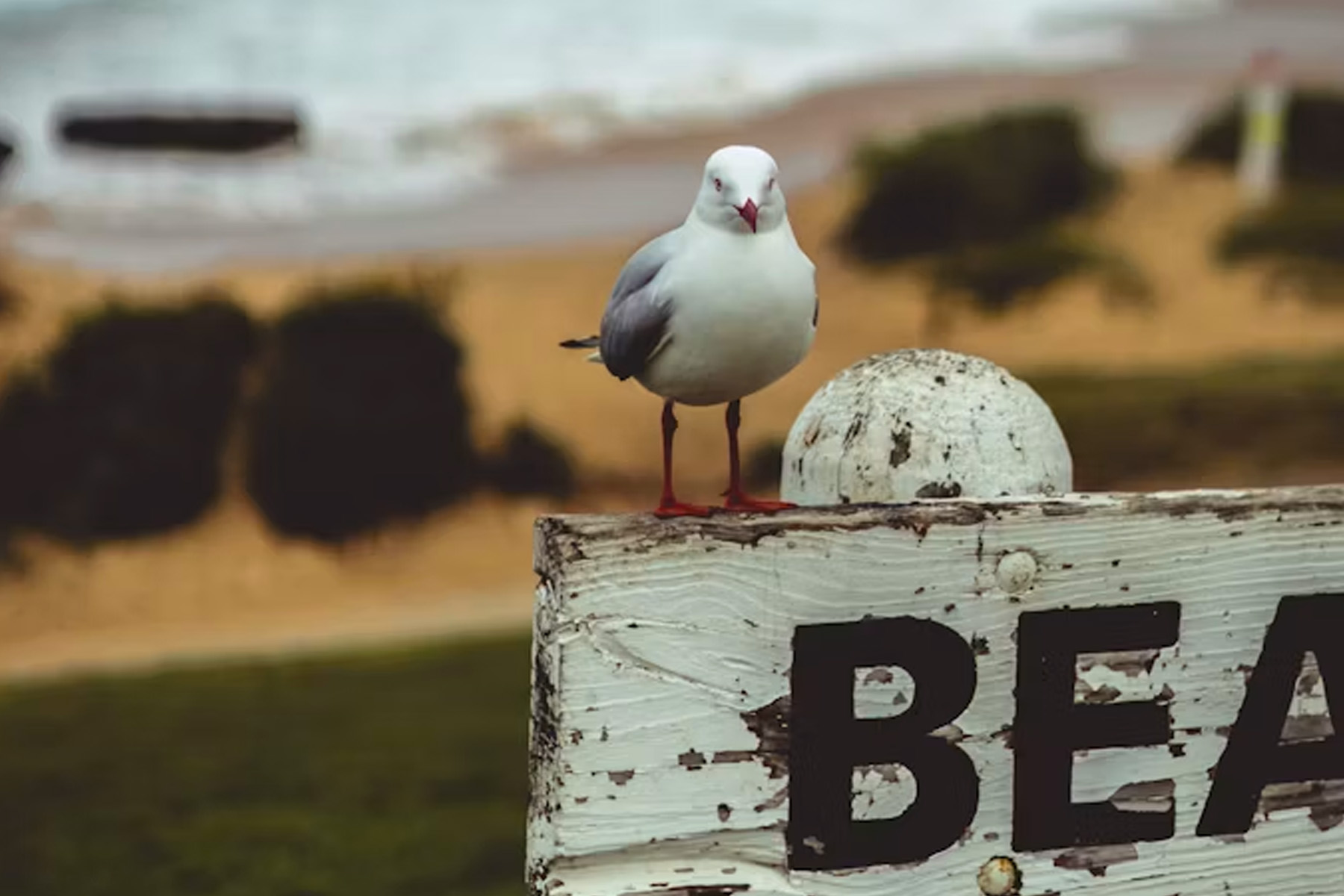
Photo by Kerin Gedge on Unsplash
If you see a group of sick or dead wildlife:
- Avoid contact and keep your distance.
- Record the date, time, location and take photos.
- Report it to the Emergency Animal Disease Hotline on 1800 675 888.
The Department of Climate Change, Energy, the Environment and Water has put together a list of ways in which we can play our part in reducing the impacts of H5 bird flu on our native species
Keep pets away from wildlife
Prevent cats from roaming. Always keep dogs on leash, especially in areas with native species.Volunteer
Take part in habitat restoration activities to improve local habitats. Activities include revegetating, weeding or removing rubbish from local natural areas.Plant native vegetation
Plant local native species in your garden providing natural habitat and a food source for native species. Avoid supplementary feeding, as this can increase the spread of diseases among birds.Participate in bird surveys and contribute to citizen science projects
Join local bird-watching groups or programs such as the Aussie Backyard Bird Count and use platforms like BirdLife Australia’s Birdata and the Atlas of Living Australia to record bird observations. This contributes to a better understanding of bird health and population trends.