Ocean Conservancy
Plastic bottles and caps most prevalent
Published: 31 August 2026
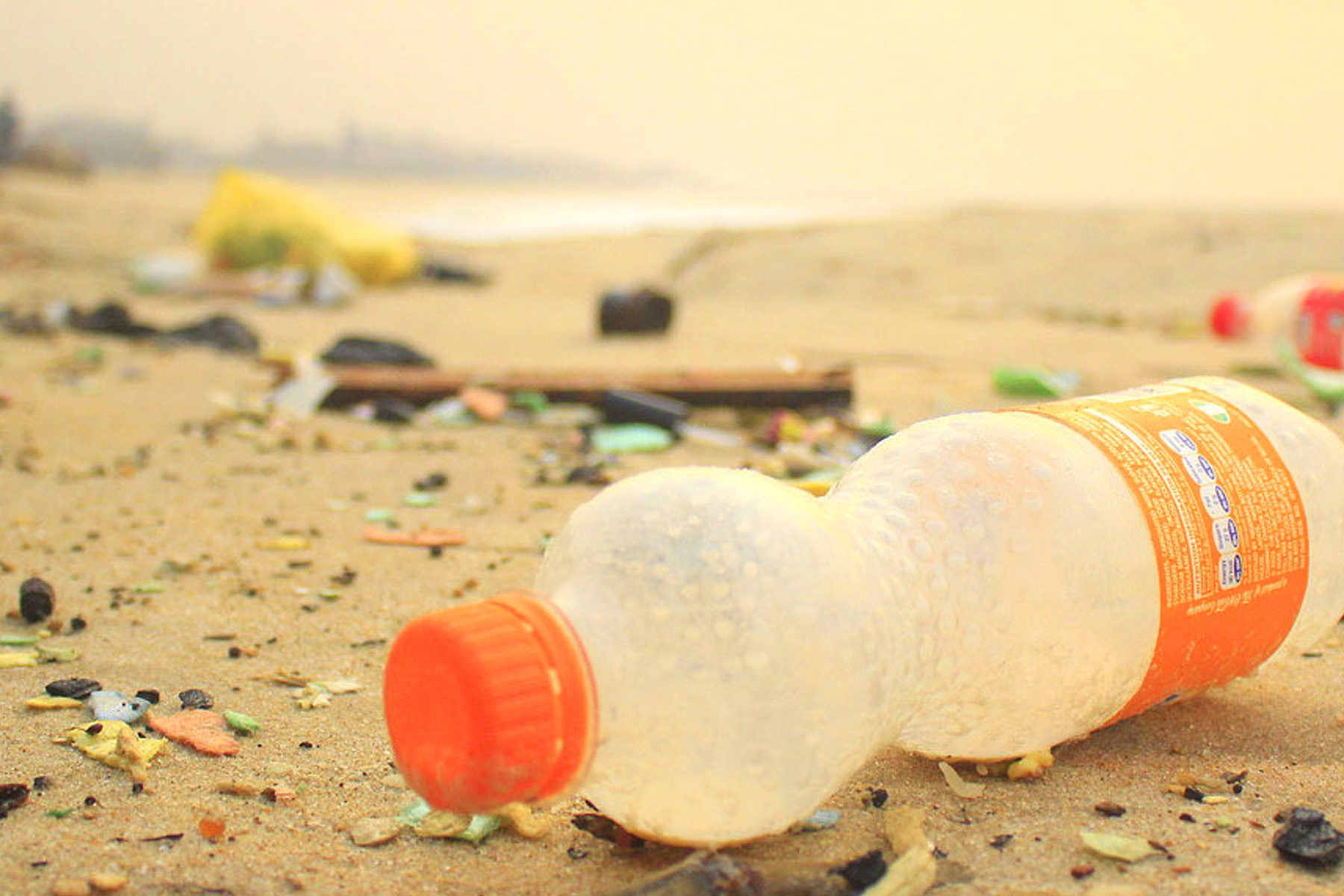
Ocean Conservancy has released results from the 2025 International Coastal Cleanup® (ICC) – the largest single-day beach and waterway cleanup in the world, which mobilizes hundreds of thousands of volunteers annually to remove millions of pounds of trash – revealing that volunteers collected 1,338,712 plastic bottles and 885,854 caps. This makes them the first and third most commonly found items polluting beaches and waterways worldwide.
“I have spent nearly 15 years conducting hundreds of cleanups all over the world, and whether we’re on the remote Alaskan coast or a tropical island hundreds of miles from land, we find bottles and caps at every cleanup,” said Ocean Conservancy’s Senior Director of Conservation Cleanups Allison Schutes.
Most bottles are used for mere minutes and yet can last in the environment forever. Our communities, our ocean, and our planet deserve better.
Not only are plastic beverage bottles and bottle caps among the most prevalent types of plastic pollution, but Ocean Conservancy-led peer reviewed research also found these items can be highly deadly to marine life. An albatross was found to have been killed by swallowing a plastic bottle whole, and hard plastics like bottle caps are one of the deadliest plastics when ingested, especially for seabirds.
“There’s really no excuse for this – plastic bottles are among the most recyclable items out there, which tells us two important truths: one is that we are making too much plastic, and two is that a lot of our waste isn’t getting where it needs to go”, said Ocean Conservancy’s Director of Plastics Policy Dr. Anja Brandon, an environmental engineer by training who has helped draft landmark state and national legislation regulating plastic pollution in recent years.
Luckily this is fixable. Increasing access to recycling, including bottle deposit returns, and investing in reuse and refill infrastructure would go a long way in protecting the ocean from this common type of plastic pollution.
Have a story to tell or news to share
Let us know by submitting a news story, an article, a review, a white paper and more …
Submit